

Toyota Brake Pad Replacement Cost: What Glendale Drivers Should Expect
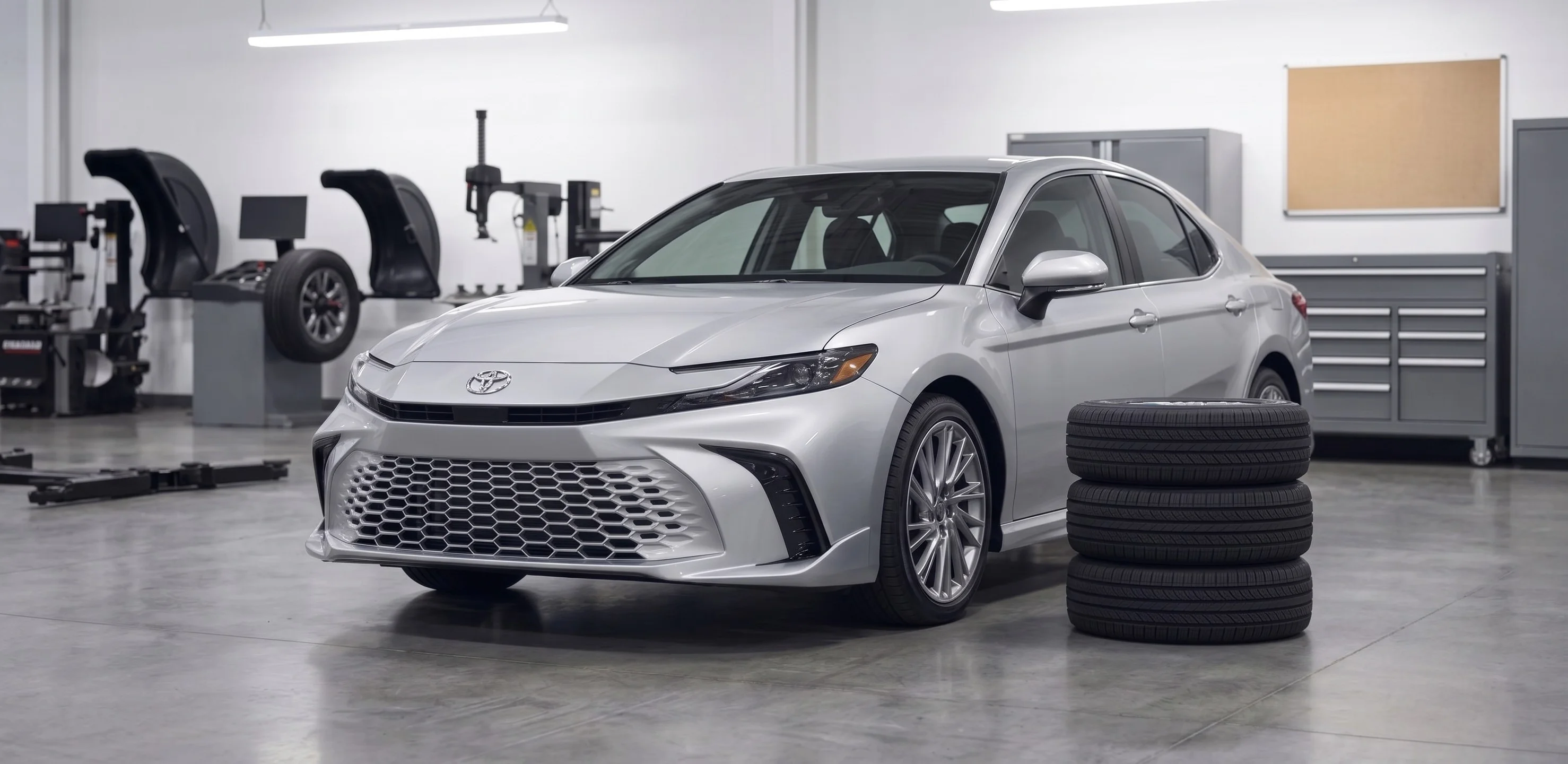
Knowing what Toyota brake pad replacement should cost helps you plan ahead and avoid surprises. Across the market, pad replacement generally runs from $150 to $500 per axle for parts and labor, depending on the pad material, your specific model, and where you go — independent shops sit at the lower end, while dealership service centers using genuine Toyota (OEM) parts and factory-trained technicians fall toward the higher end. Heavier vehicles, like trucks and larger SUVs, generally cost more than lighter sedans.
Keep in mind that a standard pad replacement does not automatically include new rotors. If your rotors are worn or damaged, a full brake job that replaces both pads and rotors generally runs $350 to $900 per axle. Staying on top of routine inspections is the best way to catch pad wear before it damages the rotors and drives up the total cost.
Quick Toyota Brake Service Cost Reference
| Brake Service | Typical Cost Range | What Affects It |
|---|---|---|
| Brake pad replacement | $150–$500 per axle | Pad material, model, shop type (dealer vs. independent) |
| Pads + rotors (full brake job) | $350–$900 per axle | Vehicle weight, rotor condition, parts quality |
| Rotor resurfacing | $30–$60 per rotor | Rotor thickness and condition (see note below) |
Pricing shown is a general market estimate for comparison purposes only. It is not the Toyota of Glendale advertised price. Actual pricing varies by vehicle, parts, and condition, and the dealer sets the final price.
Why Dealership Brake Service Differs From Independent Shops
Drivers often ask why dealership brake service can cost more than a neighborhood repair shop. The difference comes down to parts, training, and equipment rather than markup alone.
What Dealership Brake Service Includes
At the Toyota of Glendale Service Center, your brake work is handled by technicians who work on the Toyota lineup every day. That model-specific experience matters most on newer and hybrid vehicles, where some advanced braking systems rely on components and sensors matched to the vehicle. Dealership service brings together:
- Factory-trained technicians who know the specifics of each model, from electronic parking brakes to the regenerative braking systems on hybrids.
- Genuine Toyota (OEM) parts engineered and tested for your exact vehicle.
- Diagnostic equipment built specifically for Toyota systems.
Where Independent Shops Fit
Independent shops may offer lower labor rates and can do quality work on mainstream vehicles. The dealership’s value is in the combination of OEM parts, factory-trained technicians, and Toyota-specific diagnostic equipment — worth weighing when you decide where to have your brakes serviced.
Do Aftermarket Brake Pads Void Your Toyota Warranty?
Many drivers worry that installing aftermarket brake pads will void their factory warranty. Under federal law — specifically the Magnuson-Moss Warranty Act — a manufacturer or dealer cannot void your vehicle’s warranty simply because you used aftermarket or recycled parts. Your factory warranty stays in effect if you choose third-party brake pads.
What the Law Protects — and Where the Risk Is
- Protected: Your warranty cannot be voided simply for using aftermarket or recycled brake pads.
- At risk: If an aftermarket pad is defective or installed incorrectly and directly causes damage to another brake component — a caliper, rotor, or sensor — the manufacturer can deny coverage for that specific damaged part.
- Burden of proof: The dealer or manufacturer must show the aftermarket component actually caused the failure before denying a claim.
How to Protect Your Coverage
Keep detailed maintenance records. Whether you service the vehicle yourself or have a shop do it, save your receipts for parts and labor.
This information is provided for general educational purposes only and does not constitute legal advice. Warranty coverage depends on the specific terms of your vehicle’s warranty agreement. Consult your owner’s manual or a qualified legal professional for guidance on your individual situation.
Signs Your Toyota Brake Pads Are Worn Out
Catching brake wear early prevents costly rotor damage and keeps your Toyota stopping safely. Braking systems are built with warning mechanisms that signal when the friction material is running thin. Watch for these signs:
- Squealing or squeaking noises — a small metal wear indicator emits a high-pitched squeal when the pads are worn to a critical level. This is your early, inexpensive warning.
- Grinding sounds — a harsh metal-on-metal grind means the pads are worn through and the backing plate is contacting the rotor, causing immediate damage.
- Spongy brake pedal — a soft pedal, or one that sinks toward the floor before the brakes engage, can indicate air in the lines or significant wear.
- Vehicle pulling — pulling to one side while braking can point to uneven pad wear or a sticking caliper.
- Dashboard warning light — an illuminated brake warning light should never be ignored and warrants a prompt professional inspection.
Frequent stop-and-go driving across the Glendale, Los Angeles, and Pasadena area puts extra demand on your brakes, which makes regular inspections worthwhile.
How Much Does It Cost to Resurface Toyota Brake Rotors?
What Rotor Resurfacing Is
During a brake service, technicians check whether your rotors can be resurfaced or need full replacement. Resurfacing — also called turning the rotors — uses a precision lathe to shave off a thin layer of the rotor surface, removing deposits, minor scoring, and heat spots so new pads make clean, flat contact.
Cost and When It Makes Sense
Resurfacing typically runs $30 to $60 per rotor when done at a professional service center, and it can be a cost-effective alternative to replacement. Whether it’s an option depends on the rotor:
- Can be resurfaced when the rotor still meets the manufacturer’s minimum thickness after machining. A technician measures thickness with a micrometer to confirm.
- Must be replaced when the rotor is below the safe thickness limit.
- Increasingly, replacement is recommended — many modern rotors are thin from the factory with little material to spare, so a growing number of shops now favor replacement over resurfacing to ensure long-term safety.
DIY vs. Professional Brake Service
For owners deciding between a do-it-yourself brake job and professional service, the choice usually comes down to tools, experience, and safety. Changing pads has long been a common entry-level project, but modern braking systems are increasingly complex.
| Consideration | DIY Brake Job | Professional Service |
|---|---|---|
| Electronic parking brakes | Require a specialized diagnostic scan tool to retract the calipers safely; forcing them back can damage the electronic actuator | Serviced with the proper scan tools as part of standard procedure |
| Rotor work | Not practical without a lathe | Heavy-duty lathes available for resurfacing |
| Brake fluid / bleeding | Requires proper bleeding equipment to clear air from the lines | Dedicated bleeding equipment ensures no air remains in the hydraulic lines |
| Best for | Simple pad changes on older systems, with the right tools and experience | Rotor work, caliper replacement, or a full brake fluid flush |
If your vehicle needs rotor work, caliper replacement, or a full brake fluid flush, factory-trained technicians are the safest choice for keeping your Toyota’s safety systems operating as designed.
Brakes are a safety-critical system. The DIY guidance here is general information, not repair instructions, and improper brake work can cause brake failure or injury. If you are not fully confident in the work, have it performed by a qualified technician.
Common Questions About Toyota Brake Service
How many miles do Toyota brake pads typically last?
On average, Toyota brake pads last between 30,000 and 70,000 miles. Actual lifespan depends heavily on driving style, vehicle weight, and environment — frequent stop-and-go commuting wears pads faster than mostly-highway driving, and front pads generally wear before rears.
Can I replace just the brake pads and not the rotors?
Yes, if your rotors are still in good condition, flat, and above the manufacturer’s minimum thickness. But if the rotors show warping, deep grooves, or heat spots, they should be resurfaced or replaced along with the pads to prevent noise, vibration, and premature pad wear.
Is brake fluid replacement included with a brake pad change?
No, a brake fluid flush is a separate service. Technicians will check your fluid level and condition during a pad replacement. Many Toyota models’ factory maintenance schedules call for brake fluid to be inspected periodically rather than replaced on a fixed mileage interval, but many manufacturers and service centers recommend a flush roughly every two to three years (about 30,000 miles) to remove moisture and contaminants from the hydraulic system. Your owner’s manual and a Toyota technician can confirm what’s right for your specific vehicle and driving conditions.
Why do my new brakes squeak occasionally?
Light squeaking is normal on new pads as they bed in, and it can also come from morning moisture, dust, or cold temperatures. But if squeaking is persistent, loud, or paired with grinding, have the system inspected promptly to confirm proper installation and component condition.
For a precise estimate for your specific Toyota, our service team is here to help. You’ll find more service and maintenance tips on our site, or reach the Toyota of Glendale Service Center directly.
Disclaimers
The information in this article is general guidance and does not constitute a specific diagnostic or repair recommendation for any individual vehicle. Repair and maintenance decisions should be made in consultation with a certified technician based on the specific condition of your vehicle.
Brakes are a safety-critical system. The DIY guidance in this article is general information, not repair instructions, and improper brake work can cause brake failure or injury. If you are not fully confident in the work, have it performed by a qualified technician.
This information is provided for general educational purposes only and does not constitute legal advice. Warranty coverage depends on the specific terms of your vehicle’s warranty agreement. Consult your owner’s manual or a qualified legal professional for guidance on your individual situation.
Pricing shown is a general market estimate for comparison purposes only. It is not the Toyota of Glendale advertised price. Actual pricing varies by vehicle, parts, and condition, and the dealer sets the final price.