

Frequently Asked Questions About OEM and Aftermarket Car Parts
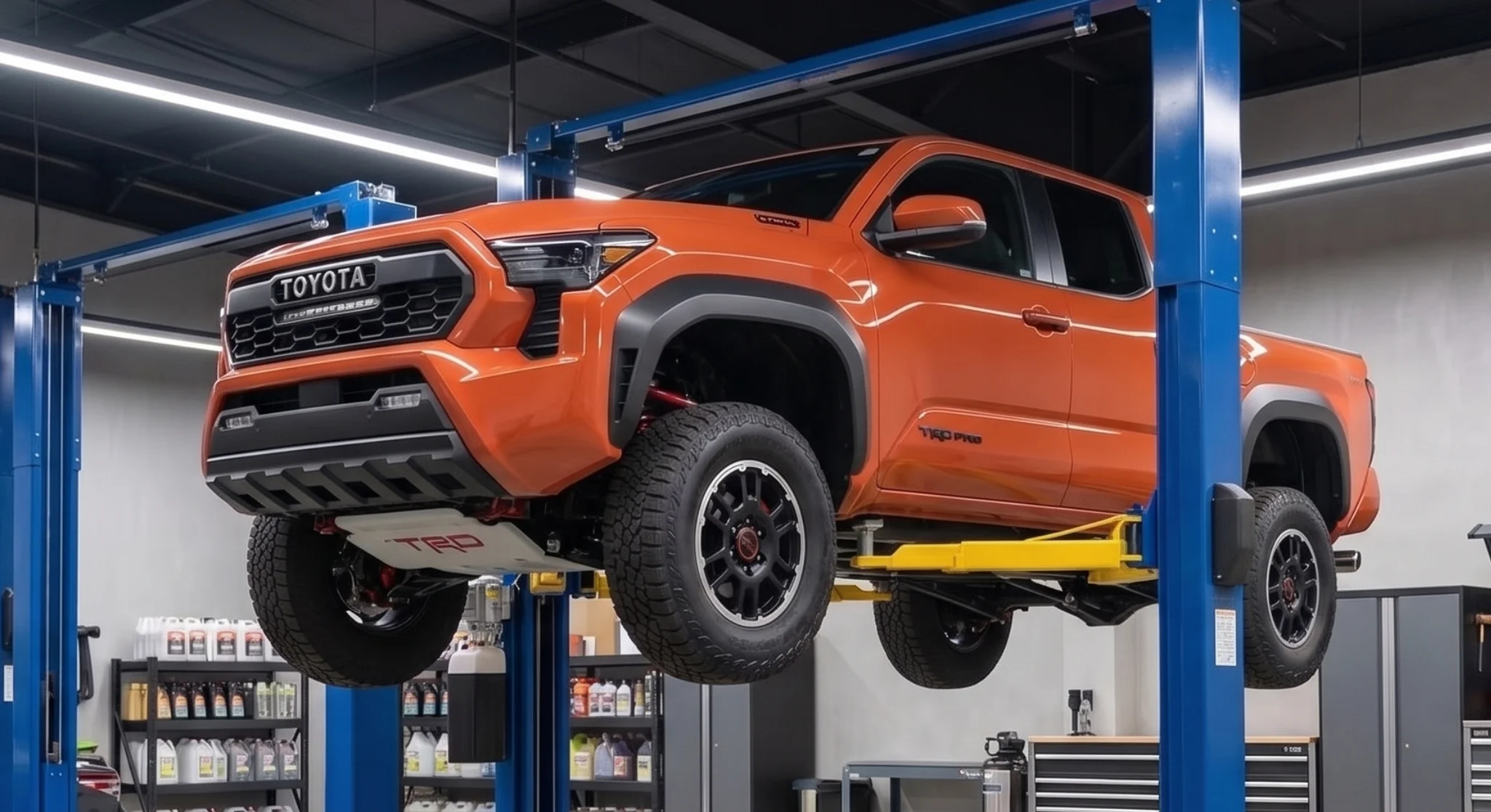
Whether you need a replacement component or want to understand your options before visiting the parts counter, these frequently asked questions cover everything from OEM vs. aftermarket differences to warranty coverage and recall procedures.
What Are OEM Car Parts?
OEM stands for Original Equipment Manufacturer. OEM parts are components built to the exact specifications and standards set by your vehicle’s manufacturer. Although these parts may be produced by specialized suppliers such as Denso or Bosch, they are tested and approved by Toyota to fit and function precisely like the original components installed when your vehicle was assembled. This consistency in quality, fit, and durability is what sets OEM parts apart.
What Are Aftermarket Car Parts?
Aftermarket parts are components produced by third-party manufacturers that are not affiliated with your vehicle’s original manufacturer. These parts are designed to fit a range of vehicles and can vary widely in quality and performance. Some aftermarket brands produce components that meet or exceed OEM standards, while others may use less rigorous manufacturing processes to reduce costs. This variation is why aftermarket parts are typically available at a lower price point.
What Is the Difference Between OEM and Aftermarket Parts?
The core differences come down to quality assurance, fit, warranty support, and cost. OEM parts are manufactured to your vehicle’s exact specifications, ensuring a precise fit and consistent performance. Aftermarket parts may offer a broader range of price points and greater immediate availability through independent retailers, but their fit and longevity can be less predictable. For critical safety and performance systems — brakes, engine components, electronic controls — OEM parts provide the most reliable option. For less critical applications, a well-researched aftermarket part from a reputable brand may be an acceptable alternative.
Do OEM Parts Come With a Warranty?
Toyota Genuine Parts purchased from an authorized Toyota dealer are covered by a 12-month Replacement Parts Limited Warranty regardless of mileage. Parts that are sold and installed by an authorized Toyota dealer are covered for both parts and labor. Parts purchased from an authorized dealer but installed elsewhere are covered for parts replacement only — labor is not included. Wear-and-tear items such as brake pads, clutch components, and wiper blades are generally excluded from warranty coverage.
Warranty terms and conditions are subject to change. Contact the Toyota of Glendale parts department at 818-528-5070 or consult your Toyota dealer for complete, current warranty details.
Do Aftermarket Parts Come With Warranties?
Aftermarket parts may include warranties, but coverage varies widely by manufacturer and retailer. Warranty duration is often shorter than OEM coverage, and the scope of what is covered may be more limited. Always review the specific warranty terms before purchasing an aftermarket part, and keep your proof of purchase for any future claims.
Aftermarket warranty terms are set by individual manufacturers and retailers. Toyota of Glendale cannot guarantee coverage for parts not purchased through our parts department.
Can Aftermarket Parts Void My Vehicle’s Warranty?
Under federal law — specifically the Magnuson-Moss Warranty Act (15 U.S.C. § 2302) — a vehicle manufacturer cannot void your warranty simply because an aftermarket part was installed. However, if an aftermarket part directly causes a failure or damage to another component, the manufacturer may deny the warranty claim for that specific related damage. The burden of proof rests with the manufacturer to demonstrate that the aftermarket part caused the issue.
This is general information and should not be considered legal advice. For questions about your specific warranty coverage, consult your Toyota dealer or refer to your vehicle’s warranty documentation.
How Does Using OEM vs. Aftermarket Parts Affect Resale Value?
Vehicles maintained with genuine OEM parts tend to retain higher resale value because OEM parts signal consistent, manufacturer-standard care to prospective buyers. A documented service history showing genuine parts usage can be a positive factor during appraisal. While aftermarket parts do not automatically reduce resale value, buyers and appraisers generally view OEM maintenance records more favorably.
What Is a VIN, and How Does It Help Me Find the Right Parts?
Your Vehicle Identification Number is a unique 17-character code that serves as your vehicle’s fingerprint. It encodes detailed manufacturing information including the model, engine type, trim level, and production year. Providing your VIN to a parts specialist ensures you receive components designed specifically for your vehicle’s exact configuration — eliminating compatibility guesswork. This is especially important for Toyota vehicles, where subtle differences in trims or packages can mean that a part fitting one configuration may not fit another. You can find your VIN on the lower-left corner of your windshield, on the driver-side door jamb label, or on your vehicle registration documents.
Which Car Parts Are the Most Expensive to Replace?
Some of the costliest components to replace include the transmission (often several thousand dollars due to specialized labor and drivetrain disassembly), the engine (costs vary widely depending on the scope of repair), catalytic converters, and hybrid battery packs. Brake system hydraulic components and suspension assemblies such as struts and control arms can also add up when multiple parts require simultaneous replacement. Staying current with manufacturer-recommended maintenance intervals is one of the most effective ways to extend the life of these high-cost components and avoid unexpected repair bills.
How Does the Vehicle Recall Process Work?
Vehicle recalls typically begin when a manufacturer identifies a potential safety concern through patterns in warranty claims, dealer service reports, or internal quality inspections. Manufacturers maintain detailed production records that allow them to trace affected vehicles down to specific batches and manufacturing dates. When a safety issue is confirmed, the manufacturer must notify the National Highway Traffic Safety Administration and file a detailed investigation report within five business days. NHTSA independently monitors safety data through consumer complaints, crash reports, and its own investigations, and can mandate a recall if a significant risk is identified. Affected vehicle owners are notified directly — often using VIN-based identification — and recall repairs are performed at no cost at authorized service centers.
Does Part Availability Affect Repair Costs and Timelines?
Yes. When OEM parts are in stock, repairs typically proceed quickly with exact-fit components. If a specific part is backordered or in limited supply — which can happen with less common models or specialized hybrid components — wait times may increase and pricing may reflect supply constraints. While aftermarket parts can sometimes offer faster availability, their fit and durability may vary. Toyota of Glendale maintains a comprehensive inventory of genuine Toyota parts to help minimize repair delays for Glendale, Los Angeles, and North Hollywood area drivers.
Where Can I Get Genuine Toyota Parts Near Glendale?
The Toyota of Glendale parts department stocks a wide selection of genuine Toyota parts and can special-order any component not currently in inventory. You can order parts online, contact our parts team directly at 818-528-5070, or visit us at 1260 S Brand Blvd, Glendale, CA 91204. Browse our current parts specials for additional savings.
Disclaimer: Warranty information provided on this page is for general informational purposes only and may not reflect the most current terms and conditions. Toyota warranty coverage is subject to specific terms, limitations, and exclusions as outlined in the applicable warranty documentation provided by Toyota Motor Sales, U.S.A., Inc. Aftermarket part warranties are governed by their respective manufacturers. For complete and current warranty details applicable to your specific vehicle and situation, please contact the Toyota of Glendale parts department or consult your Toyota warranty documentation. This page does not constitute legal or professional advice.